
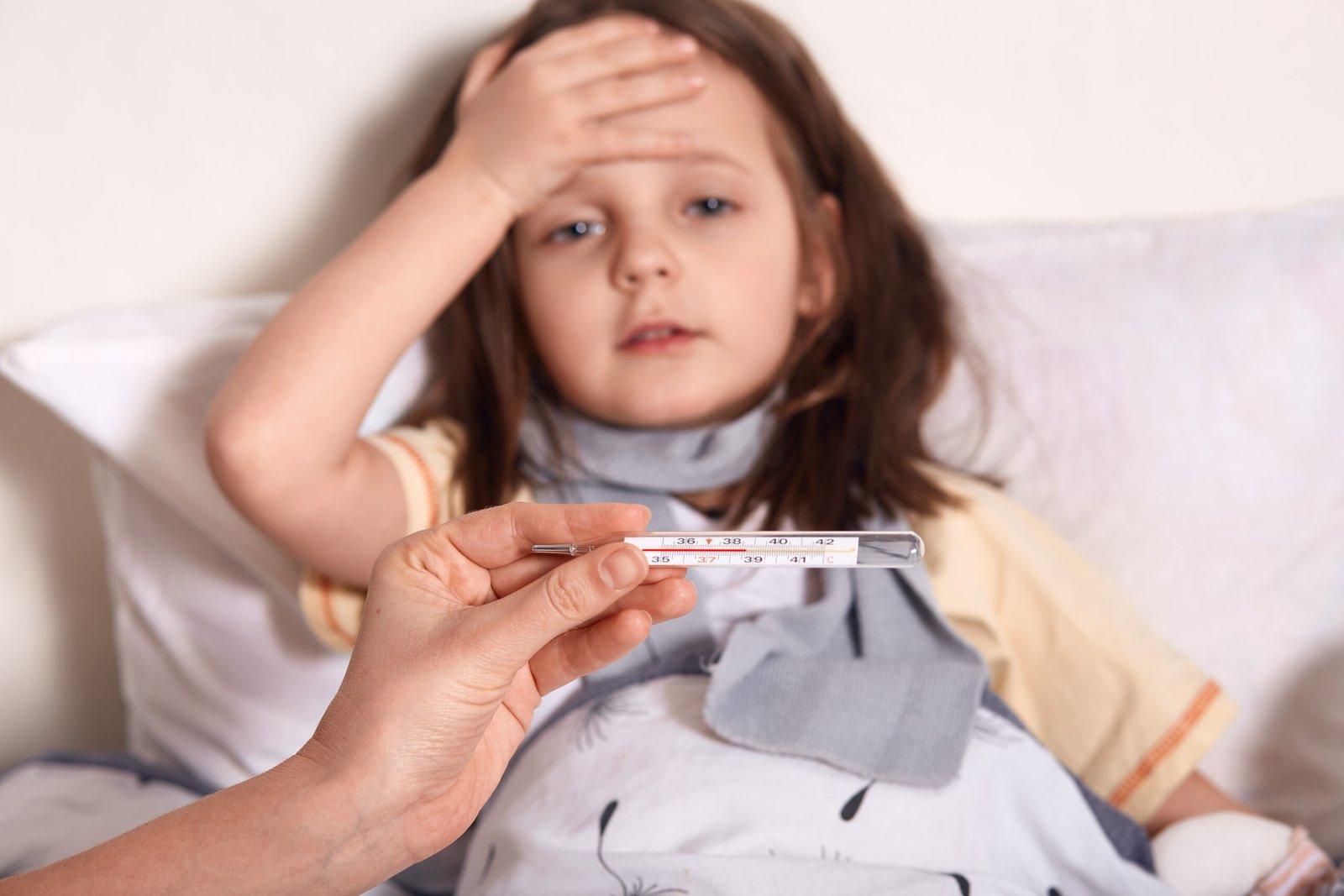
Fever is one of the most common health concerns in children. While it often indicates that the body is fighting an infection, it can also be worrying for parents—especially when symptoms appear suddenly or worsen at night.
Understanding when to monitor a fever at home and when to call a doctor at home can help parents make the right decision quickly and confidently. In Mauritius, services like OCS Médecins allow families to receive professional medical care for children without leaving the comfort of home.
This guide explains what causes fever in children, how to manage it safely, and when it’s time to request a doctor at home service.
What Is Considered a Fever in Children?
A fever occurs when the body temperature rises above the normal range as part of the immune system’s response to infection.
Typical temperature ranges:
- Normal body temperature: around 36.5°C – 37.5°C
- Mild fever: 37.6°C – 38°C
- Fever: 38°C or higher
While fever itself is not a disease, it can be a sign that the body is fighting viruses or bacteria.
Common Causes of Fever in Children
Several everyday illnesses can cause fever in children, including:
- Viral infections such as colds or flu
- Throat infections
- Ear infections
- Gastrointestinal infections
- Vaccination reactions
- Mild fever due to teething
Most fevers resolve within a few days, but monitoring symptoms carefully is important.
Symptoms That May Accompany Fever
Children with fever may also experience:
- Fatigue or irritability
- Loss of appetite
- Chills or sweating
- Headache
- Cough or sore throat
- Vomiting or diarrhea
Younger children may simply appear restless or unusually sleepy.
When Should Parents Call a Doctor at Home?
While many fevers can be managed with rest and fluids, certain situations require medical evaluation. Calling a doctor at home can provide quick reassurance and treatment.
1. Fever Lasting More Than 48 Hours
If your child’s fever continues for more than two days without improvement, it’s best to seek medical advice.
A doctor at home can assess the underlying cause and recommend appropriate treatment.
2. Very High Fever
You should contact a doctor if your child’s temperature reaches 39°C or higher, especially if the fever does not respond to medication.
3. Fever in Infants
Infants require special attention. Seek medical advice if:
- A baby under 3 months has a fever
- An infant appears unusually sleepy or unresponsive
- Feeding becomes difficult
4. Difficulty Breathing
If your child has a fever along with:
- Rapid breathing
- Wheezing
- Chest discomfort
A doctor should evaluate the symptoms immediately.
5. Persistent Vomiting or Signs of Dehydration
Signs of dehydration include:
- Dry lips or mouth
- Reduced urination
- Weakness or dizziness
These symptoms should be assessed by a medical professional.
6. Rash Appearing With Fever
Some rashes may be harmless, but others can indicate infections that require treatment.
A doctor at home can examine the rash and determine the cause.
7. Fever at Night When Clinics Are Closed
Children often develop fever during the night, leaving parents unsure about what to do.
A doctor at home service allows parents to receive professional care without leaving their house.
Benefits of Calling a Doctor at Home for a Child’s Fever
Many families now prefer a doctor at home consultation because it offers several advantages:
Comfort for the Child
Children remain in their familiar environment, reducing anxiety.
Faster Medical Attention
No travel and no waiting rooms.
Lower Risk of Infection
Avoid exposure to other sick patients in crowded clinics.
Personalized Medical Care
Doctors can spend more time examining the child and answering parents’ questions.
With dispatch locations in Constance, Quatre Bornes, and Grand Baie, OCS Médecins can reach families quickly across Mauritius.
How Parents Can Help Manage Fever at Home
While monitoring your child, you can help reduce discomfort by:
- Encouraging fluid intake
- Allowing rest and proper sleep
- Giving fever medication if prescribed
- Dressing the child in light clothing
- Monitoring temperature regularly
If symptoms worsen or new symptoms appear, it is important to seek medical advice.
When Fever Becomes an Emergency
Although most fevers are manageable, emergency care is necessary if a child experiences:
- Seizures
- Severe breathing difficulty
- Extreme drowsiness or confusion
- Persistent crying or inability to wake
In such situations, immediate hospital care is required.
Final Thoughts
Fever is a common part of childhood illnesses, but for parents it can feel stressful—especially when symptoms appear suddenly or during the night.
Knowing when to call a doctor at home can provide reassurance and ensure your child receives timely medical care in a comfortable environment. With reliable services available across Mauritius, families can access professional healthcare whenever they need it.